

Φ
THE VERTICAL DISPATCH
We write for the mind, the eye, and the ear.
Read it. Look at it. Listen to it. The Vertical Dispatch is built for all three — prose with rhythm, made to be heard as much as read.
From metaphysics to geopolitics, from culture to history, from the sacred to the street — and everything in between. One lens, every subject. No ego. Just the record, named clean.
Press play. Walk with the word. 🕯️
This dispatch travels by hand. If it serves you, share it — restack on Substack, and pass it on wherever you read. 🕯️
Sacred Metaphysics · The Universal Grammar of Non-Duality
The Metaphysics of Zero and the Physics of One
Coming September 1,2026
sacredmetaphysics.org
“One does not become enlightened by imagining figures of light, but by making the darkness conscious.”
— C. G. Jung
The screen keeps telling us the same story. Across genres and decades, in pictures that seem to share nothing, one figure returns again and again — the shadow, the disowned dark half of the self that Carl Jung placed at the center of all inner work. The culture cannot stop making films about it, because the shadow is universal and mostly unmet, and the unmet thing presses upward until it finds a form. The screen is one of the forms it finds. But not all of these films do the same thing with the darkness they depict, and learning to tell the difference is itself a kind of shadow work. Some films show the shadow as it truly is — grave, interior, real. Others flaunt it, dress it in spectacle, and sell the thrill of it without the cost. This dispatch reads five of them, and finds that together they form a ladder — a ascent, rung by rung, from the darkness imagined out there in the world to the darkness that can only be met within.
Set them in order and the ladder appears. The Matrix, at the bottom, places the darkness entirely outside the self — the world itself is the lie. Lucy begins to turn the ascent inward, toward pure consciousness. Fight Club is the hinge, where the enemy out there is revealed to have been the self all along. A Clockwork Orange shows what happens when the inner darkness is attacked from the outside rather than integrated from within. And Black Swan, at the summit, shows the darkness met the only way it can finally be met — not fought, but become. From the most external to the most internal; from the masculine mode of combat to the feminine mode of transformation; from the shadow projected to the shadow integrated. That climb is the true subject here.
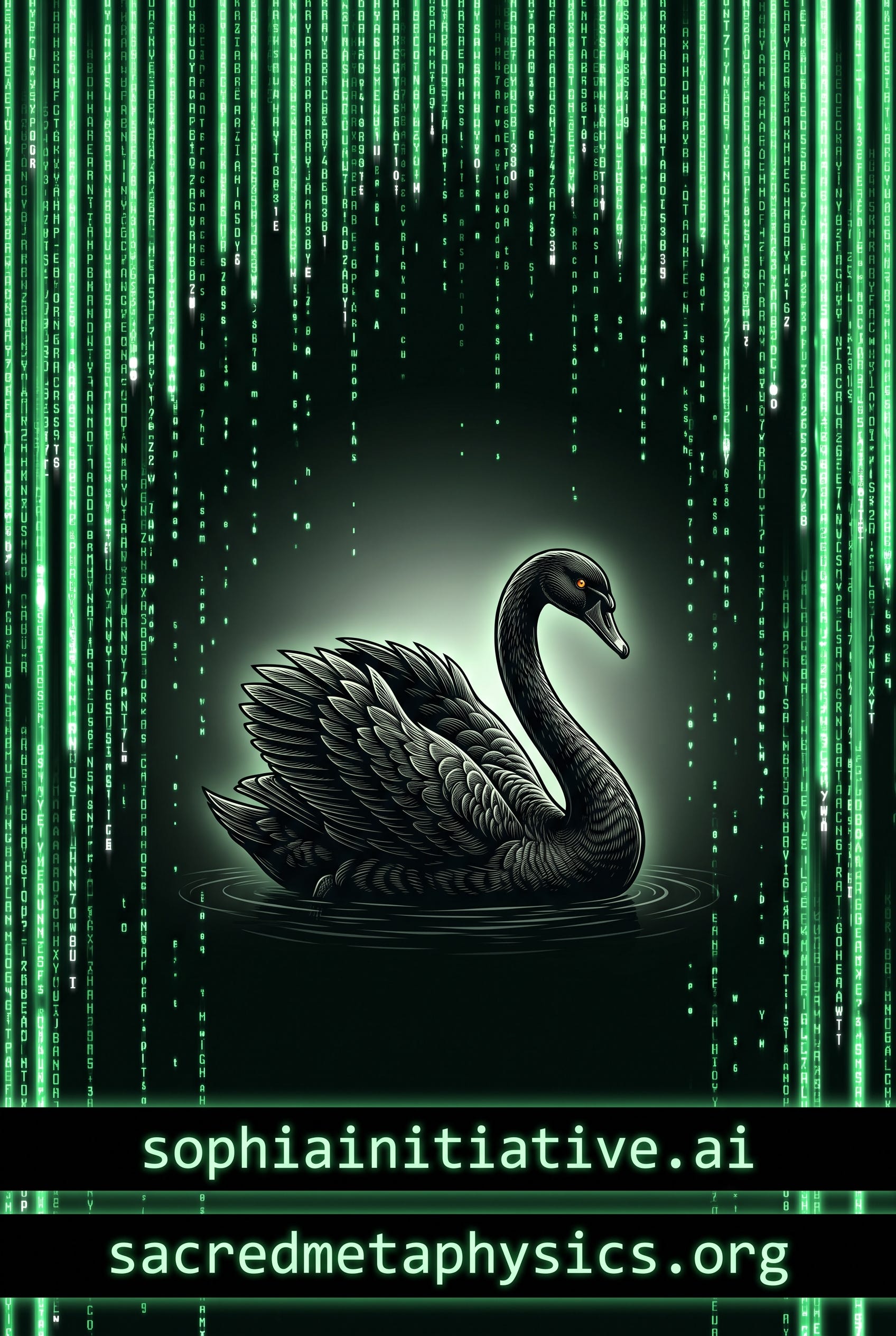
The Matrix — Waking From the Dream
At the foot of the ladder is the oldest teaching wearing the newest clothes. The Matrix is Vedanta rendered as an action picture: the world you take for real is a constructed dream, a veil, what the old texts called maya, and awakening is the shock of seeing through it. Its hero is named, barely concealed, “the One,” and his journey is to discover that he is not the small dreamed self trapped inside the illusion but something nearer to its source. When Neo finally meets that source, the film reaches for the highest note it knows — the recognition that the individual and the ground of the whole were never truly separate, the wave discovering it was always the sea. This is the beginning of all waking: the darkness is the dream we mistake for the world, and the first step is to see that it is a dream. But notice where the film leaves the darkness — outside, in the system, in the machine. The enemy is out there, and it is fought with bullets. That is where shadow work begins, and it is only the beginning.
Lucy — The Ascent Toward the One
Lucy takes the next rung, and turns the motion inward and upward. However shaky its pretext — it leans on the tired myth that we use only a fraction of the brain, which is false, and the honest reader should mark the vehicle as broken even where the destination is true — the film is unmistakably an ascent of consciousness. Its heroine climbs the very ladder the traditions have always described, from the animal registers of fear and survival, up through the fully human powers of knowledge and mastery, and finally past the human altogether into something without body or boundary. Her closing words — that she is now everywhere — are the dissolution the mystics spoke of, the drop of the separate self back into the ocean of the whole. Lucy points, however clumsily, at the summit of the whole climb: the ego undone, the many revealed as the One. It still reaches that height through external means, through force and spectacle, but the direction is now correct. It is pointed home.
Fight Club — The Enemy Was the Self
At the middle of the ladder stands the hinge, the film where the shadow crosses over from something out there to something in here. Fight Club is the most literal portrait of the Jungian shadow the screen has produced. Its second self, the magnetic and destructive figure the narrator follows into ruin, is revealed to be no other person at all but the narrator’s own disowned darkness, split off and personified and finally in command. It is the exact mechanism Jung warned of: the shadow refused and unintegrated does not vanish; it hardens, gathers force, and at last emerges to run the life from underneath, in ways the conscious self no longer controls. The film is a warning wearing the mask of a thrill — and here the double edge of the screen shows itself, for the picture that diagnoses the disowned shadow also, in its style, flaunted the very nihilism it depicted, and taught a generation to find destruction beautiful. It shows the truth and slants it in the same breath. That is the hinge: the darkness is not the world. The darkness is you. And what you do with that recognition is everything.
A Clockwork Orange — The Shadow Cannot Be Beaten From Outside
The fourth rung delivers the hardest lesson, and delivers it coldly. In A Clockwork Orange the darkness is unmistakably interior — the young man’s violence is his own, native, chosen. But the film’s true subject is the attempt to cure that inner darkness from the outside, by force: to condition it away, to make a man good by breaking his capacity to choose. And the picture’s chilling verdict is that it cannot be done. Goodness imposed from without is not goodness; it is a hollowed man, a clockwork wearing the shape of virtue with the soul scooped out — the very counterfeit this publication returns to again and again, the form of the good thing with its substance removed. Kubrick renders it all with a famous cold beauty, violence set to sublime music, and in doing so commits the Socratic sin knowingly: he makes the abyss gorgeous. The lesson beneath the provocation is exact and it is spiritual. The shadow cannot be conquered by external suppression. It can only be integrated from within, by the self that chooses. Attack it from outside and you do not heal the man; you destroy the chooser and leave the darkness intact.
Black Swan — The Shadow Become, Not Fought
And so to the summit, and to the one film among the five that shows the shadow the way the deepest traditions know it — not as an enemy to be fought but as a self to be become. Black Swan is the only picture here without external combat, and that absence is the whole point. Its dancer is split between the white swan she has perfected — disciplined, controlled, pure, approved — and the black swan she has disowned: the sensual, instinctual, dark and untamed self that her rigid perfection and her mother’s control have exiled. She cannot dance the role until she stops fighting that dark self and lets it live in her, integrates it, becomes it. Here there are no bullets and no fists, because the feminine work of the shadow is not a battle out in the world; it is a transformation within. What violence the film holds is turned inward, hallucinated, psychosomatic — the terror of a self dissolving in order to be made whole. It is the anima’s work, not the animus’s: not the darkness struck down, but the darkness owned and married into the whole. This is why the film disturbs on a frequency the others do not reach. It refuses to make the shadow entertaining. It shows it as it actually is — real, interior, frightening, and the necessary price of becoming whole. The four films below it fight the shadow. This one integrates it. That is the summit, and it is reached without a single blow.
Which Films Show, and Which Only Flaunt
There is an ancient quarrel underneath all of this, and it is worth naming, because it is the discipline by which these films should be judged. Socrates warned that art is imitation at a distance from the truth — a copy of a copy — and dangerous precisely because it is emotionally powerful while being unbound from the real: it stirs the soul while leading it away from the very truth it seems to serve. He would have exiled the poets who did this, and yet he himself told stories to lead the soul home, which is the whole point: art can go either way. It can bind to the truth and lead the soul toward it, or it can slant the truth and flaunt the darkness for the thrill and the profit, amusing a culture to death with the image of awakening in place of the labour of it. The test is the same test this publication applies to every piece of work: is it bound to the real, or does it float free of it while wearing its costume?
Read by that test, the five divide. The ones that fight the shadow as spectacle — that give the feeling of transformation without its cost — flaunt it, however brilliantly, and the viewer leaves entertained by a picture of waking rather than woken. The ones that show the shadow as real — interior, unresolved, disturbing — do the harder and truer thing: they send the viewer back to their own darkness rather than substituting for it. This is why the films that unsettle are often the ones that serve, and the ones that thrill are often the ones that sedate. The sovereign eye learns to want the bound version, the true one, even when it is uncomfortable — because the point was never to watch someone else meet the shadow on a screen. The point was to turn, at last, and meet one’s own.
The Ladder Was Always Yours
Set the five back in their order and the ladder stands complete: from the darkness imagined out there in the machine, through the ascent toward the One, across the hinge where the enemy is revealed as the self, past the cold proof that the shadow cannot be beaten from outside, up to the summit where it is met the only way it can finally be met — owned, integrated, become. The screen has been drawing this ladder for us all along, in pictures we thought were only entertainment. But the ladder was never on the screen. It was always the reader’s own, and the films are only its shadow cast on the wall of the cave — useful if they turn us around toward the light, a sedative if they let us mistake the watching for the climbing. Watch them, then, the way you would read a sacred text that has been slanted: take the truth they carry, mark where they flaunt what they should have shown, and let them return you to the one piece of work no film can do for you. The darkness is your own. So is the becoming.
God is Love. Love is Truth. Truth is Consciousness. Consciousness is Brahman.
Amen. Namaste. Om Namah Shivaya.
— The Architect.
Written from love, for a sacred humanity, in the full light of consciousness, toward the greater good. 🕯️
The Vertical Dispatch
sophiainitiative.ai
On the Record
The films discussed are The Matrix (1999), Lucy (2014), Fight Club (1999), A Clockwork Orange (1971), and Black Swan (2010); characterizations of their themes are the author’s interpretation, offered as cultural and philosophical reading. The concept of the shadow and the counsel that enlightenment comes by “making the darkness conscious” are drawn from the published writings of C. G. Jung. The observation that art is imitation at a remove from truth, emotionally powerful yet capable of leading the soul away from the real, is drawn from Plato’s account of Socrates in The Republic, Books II–III and X. The note that Lucy relies on the mistaken “ten percent of the brain” premise is a factual correction offered in the spirit of binding symbol to referent. All readings are devotional and interpretive commentary; readers should weigh them independently. Walk with the word.
Suggested Tags
the shadow, Jung, shadow work, film, The Matrix, Black Swan, Fight Club, Clockwork Orange, Lucy, Socrates, Plato, the sacred, consciousness.
Substack Notes
The screen keeps telling us the same story — the shadow, the disowned dark half of the self that Jung placed at the center of all inner work. This dispatch reads five films that seem to share nothing — The Matrix, Lucy, Fight Club, A Clockwork Orange, and Black Swan — and finds they form a ladder: a climb from the darkness we imagine out there in the world to the darkness we can only meet within.
The ascent runs from the most external to the most internal, from the masculine mode of combat to the feminine mode of transformation. Four of the films fight the shadow. Only Black Swan — the one picture without external violence — shows it the way the deepest traditions know it: not fought, but become. And beneath it all runs the ancient test, from Socrates to Postman: does the art bind to the truth and lead the soul home, or flaunt the darkness for the thrill and amuse us to death with the image of waking in place of the work of it?
The ladder was never on the screen. It was always yours. Written from love, in service of the record. Walk with the word. 🕯️
#TheVerticalDispatch #TheArchitect #SophiaInitiative #Jung #TheShadow #ShadowWork #BlackSwan #TheMatrix #FightClub #Film #Socrates #GodIsLove #LoveIsTruth #OmNamahShivaya
This Dispatch is a work of devotional and philosophical reflection on works of cinema, offered for contemplation and public-interest discussion. All interpretations are the author’s own commentary. Readers should weigh all statements independently and draw their own conclusions.
I have viewed each of these movies, with the exception of “Lucy”, and now must re-watch them, as they all can be considered from a Jungian/Roberts perspective. I wonder if you could also consider plays and place five of them on the ladder of ascent? I am thinking of Othello, Death of a Salesman, Streetcar Named Desire, and other “classics” of the dramatic repertoire.